Get The Yulys App
Start your job search on-the-go and
never miss
a message or job alert.
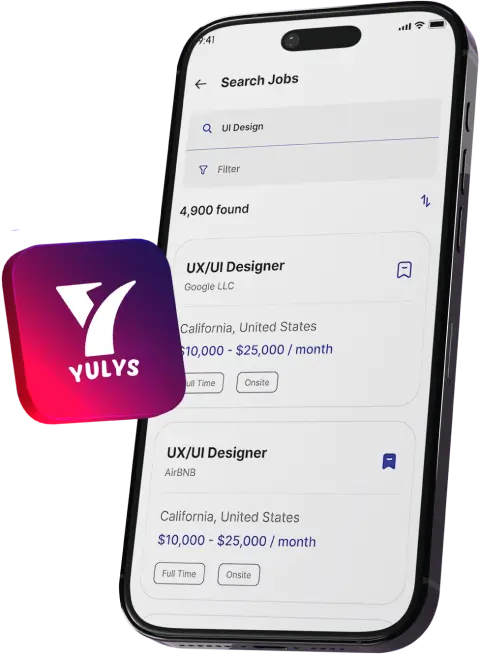
Get The Yulys App
Start your job search on-the-go and
never miss
a message or job alert.


A strong resume is the first step toward getting noticed by employers. It clearly shows your skills, experience, and career goals in a simple format. However, many job seekers struggle to decide what details matter most. That is why understanding what should a resume include is so essential.
In this article, we will outline the essential sections of a resume and provide practical writing tips. Whether you are applying through a job search website or searching for jobs hiring immediately, this guide will help you create a resume that stands out and gets results.

Writing a strong resume takes more than listing your experience. It requires clear structure, relevant details, and careful wording.
Below are practical tips to help you enhance your resume and increase your chances of being noticed.
First, it is essential to understand how employers review applications today. Many companies rely on an ATS (Applicant Tracking System) to filter candidates. Therefore, use standard headings, simple formatting, and keywords exactly as written in the job description.
Next, focus on details that match the job you want. Recruiters look for precise alignment with the role. As a result, remove unrelated experience and keep content directly connected to the position.
Every role has different requirements and expectations. A general resume often misses key details. For this reason, adjust your skills and experience to match the job description better.
A clean design helps employers quickly read your resume. Complicated layouts can distract from your content. Use a simple structure, a readable font, and limit your resume to one or two pages.
The way you describe your work matters. Strong wording helps your achievements stand out. That is why using powerful verbs like achieved, completed, or secured makes your experience more impactful.
Hiring managers typically expect to see your most recent work first. This makes your career path easier to follow. Because of this, list your most recent experience and education at the top.
Even a great resume fails if employers cannot reach you. Clear contact information is essential. So, place your phone number, email, and LinkedIn profile at the top of the page.
Job responsibilities often look similar across resumes. Results show your actual value. For that reason, focus on what you achieved and include numbers when possible.
Extra details can strengthen your resume if they support the role. Not every section fits every job. However, certifications, volunteer work, or languages can help you stand out when relevant.
Small mistakes can leave a bad impression. Accuracy shows professionalism. Finally, review your resume carefully and have someone else review it before submitting your application.
A professional resume highlights your experience, skills, and achievements in a clear and concise way. Here’s what to include to make it stand out:
Starting your career is easier with a clear and focused resume. Even without experience, the right sections help employers see your potential and help you find your first job and stay at your first job.
To make your first job resume effective and stand out to recruiters, follow these essential tips:
For faster applications and real opportunities, download Yulys today. The Yulys Android and iOS app helps you apply quickly and start your career with confidence.
If you don’t have work experience yet, don’t worry. Everyone starts somewhere. You can still create a strong resume for your first job by focusing on skills, education, and other relevant experiences:

Your resume summary is a short section at the top of your resume that highlights your key skills, experience, and career goals. Here’s what to include to make it effective:
A resume should clearly show your qualifications, so knowing what should a resume include is essential. Key sections are contact information, professional summary, skills, education, and work experience. Following practical tips helps first-job seekers, candidates with no experience, and professionals create a clear, effective resume that stands out to employers.
A first-job resume should focus on education, key skills, projects, and volunteer experience. Adding a clear objective highlights your career goals and potential to employers.
A resume should be one to two pages long. Include only the most relevant skills, achievements, and experiences that match the job requirements.
A resume summary provides a concise overview of your skills, experience, and career objectives. It helps recruiters immediately see why you are a strong candidate.
©YulysLLC - 2026 All Rights Reserved | Terms of Service | Privacy Policy | Data Deletion | Yulys Ads Program