Get The Yulys App
Start your job search on-the-go and
never miss
a message or job alert.
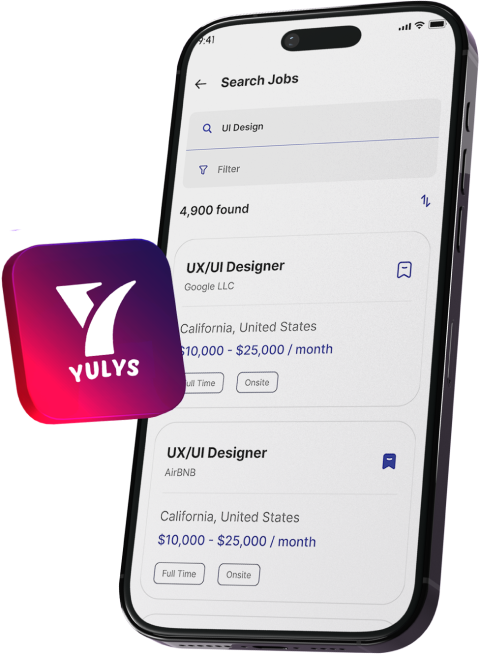
Get The Yulys App
Start your job search on-the-go and
never miss
a message or job alert.


Managing money well gets easier when you stop thinking of it as a rigid set of rules and start treating it as a long-term relationship. Your financial life shifts with every new season, including career changes, kids growing up, unexpected expenses, and the slow march toward retirement. Even people who consider themselves fairly disciplined sometimes reach a point where they know they need a clearer plan. Professional guidance helps, but so does understanding the mindset behind the strategies the experts use every day. When you combine both, you create a system that supports you no matter what’s happening in the economy or in your personal life.
Most people can manage a basic budget on their own, but building a long-term financial plan requires more finesse. A strong plan accounts for taxes, investments, future income needs, risk levels, and lifestyle goals, and it adjusts as your situation changes. That’s one reason people are turning to professionals who understand the nuances of their specific region and financial landscape. Someone searching for a financial advisor in Houston, a wealth manager in Orlando, or a Los Angeles retirement planner might turn to a firm that emphasizes real-world strategy, long-range planning, and adaptable financial systems that support retirement readiness.
Regional knowledge matters more than people expect because local tax rules, housing trends, and cost-of-living realities influence how far your money goes. An advisor who works with clients in your area understands the pressures and opportunities better than a broad online calculator ever will.
Professional planning also helps people catch blind spots they never realized they had. Sometimes the missing piece is risk management. Sometimes it’s understanding how to rebalance investments as you get closer to retirement. And sometimes it’s simply stepping back from the noise and choosing a calmer, more strategic approach instead of reacting to every market headline.
Even people who follow the market closely can feel unsettled when the economy dips. Recessions test your patience, and without a plan, it’s easy to make decisions that hurt your long-term outcomes. There are a lot of helpful ways to navigate economic downturns, especially when your instinct is to either freeze or panic-sell. Many professionals teach that successful money management is less about reacting to the moment and more about positioning yourself for stability across many market cycles.
One of the best ways to ride out uncertainty is to focus on your habits rather than the headlines. Steady saving, thoughtful spending, and diversified income make you more resilient. Retirees and soon-to-be retirees tend to benefit from maintaining a flexible but consistent strategy. You don’t have to overhaul your entire plan every time inflation spikes or the market stutters. You just need guardrails that help you stay disciplined and confident even when things feel unpredictable.
Cash flow is one of the most overlooked areas of personal finance, especially for people who are nearing retirement. Many assume cash flow is the same as budgeting, but the two play different roles. Budgeting tells your money where to go. Cash flow tells you how money actually moves through your life. When you track that movement more intentionally, you spot patterns that influence your long-term financial stability. You can see whether your spending habits align with your goals, whether your emergency fund is sized appropriately, and whether your investments match the risk you’re comfortable taking.
People often discover that their money leaks come from small habits rather than big emergencies. A clearer view of cash flow also helps you prepare for future transitions. If you expect your income to drop or shift in retirement, understanding how your money behaves now makes it easier to build a sustainable plan for later.
A common mistake people make is chasing investments without connecting them back to their actual goals. Retirement planning looks different when you treat investments not as lottery tickets but as tools. You’re not just trying to grow your wealth. You’re trying to support the life you want in the years when your income becomes more predictable and more dependent on your planning.
This mindset shifts the way you choose investments. Risk tolerance becomes less about what the market might do and more about what you need your money to do for you. Time horizons become clearer when you define your priorities. Whether you want to travel, downsize, help family members, or start a small business later in life, your investments should reflect those intentions. Professionals often say that the best investment strategy is the one you can stick with long-term. When your goals guide your choices, sticking with the plan becomes much easier.
©YulysLLC - 2026 All Rights Reserved | Terms of Service | Privacy Policy | Data Deletion | Yulys Ads Program