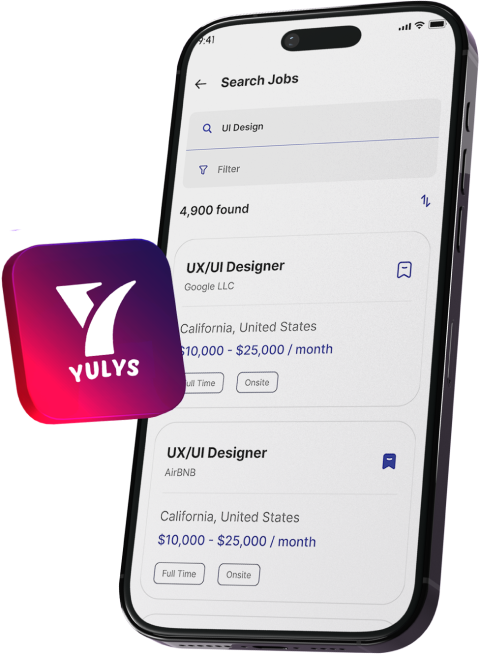
Get The Yulys App
Start your job search on-the-go and
never miss
a message or job alert.
Get The Yulys App
Start your job search on-the-go and
never miss
a message or job alert.

A clear brand strategy turns vision into choices. Flowcharts make those choices visible, so teams can agree on how work moves from idea to action.
When you map decisions and handoffs, confusion drops. Patterns appear, waste stands out, and it gets easier to explain the plan to leaders and partners.
Brand strategy often lives in slides or long docs. Flowcharts turn that text into simple paths that anyone can scan and follow.
They show what happens first, what comes next, and where decisions sit. That structure makes priorities concrete and timelines realistic.
Flowcharts expose risky gaps. If a step has no owner or a loop never ends, the diagram reveals it fast.
Finally, visual logic builds shared language. Teams start to point at shapes, not opinions, which reduces debate and speeds alignment.
A strategy statement sets direction, but people need steps. Flowcharts translate vision into tasks, owners, and checkpoints that teams can run.
Start by listing the big moves. The second move is to pick flowchart templates for visual learning that fit the kind of decisions you make. Then add the details that show who decides, where work waits, and what success looks like.
Keep steps small and named with verbs. Clear labels help everyone tell at a glance what to do.
Test the map with a small project. When it works in one case, scale it across channels or markets with confidence.
Not every strategy problem needs the same diagram. Pick formats that match the kind of thinking your team must do, and consider using customizable flowchart templates for visual learning to speed up your setup and maintain professional standards.
These services offer pre-built structures for common brand scenarios, so you can focus on strategy instead of design. Templates come with proper symbols, spacing, and layouts already in place.
Use a top-down flowchart when you are setting core pillars and policies. It helps leaders see the big picture before diving into details.
Adopt a swimlane chart when roles shift across departments. Lanes make handoffs obvious and reduce missed tasks.
Consider these common options available through template libraries. Top-down flowchart for high-level brand rules. Swimlane chart for cross-team launch plans. Decision tree for naming or positioning choices. SIPOC map for vendor and channel agreements
Many template services let you customize colors, fonts, and branding to match your visual identity. That consistency makes your flowcharts feel like part of your brand system, not borrowed tools.
A flowchart is more than boxes and arrows. Each shape sends a signal that tells the reader how to act and what to expect next.
Shapes for starts, actions, decisions, and outputs cut down on errors. People can find the path, spot forks, and avoid rework.
A design guide from Venngage notes that every shape in a flowchart has a specific job, not just a look, which keeps teams consistent and fast. Using proper symbols across teams means less explaining and fewer misreads.
Make a simple legend part of your template. When new teammates join, the legend reduces training time and questions.
Brand strategy touches research, product, sales, and support. A good flowchart shows who needs to weigh in and when.
Place roles on the diagram near their steps. That makes approvals clear and avoids late edits that delay launches.
Mural’s blog explains that stakeholder mapping gives a clear, interactive view of who influences a project and how relationships connect, which helps teams plan the right touchpoints. Bring that logic into your flowchart by marking review points and feedback loops for each group.
Use short labels for decisions like Legal OK or Data Check. Simple phrasing makes the map easy for busy stakeholders to scan.

Brand clarity shows up in customer choices. A decision tree can map how audience segments move from awareness to purchase and support.
Label each branch with real triggers like channel, need, or budget. That makes messaging tests easier to plan.
Add checkpoints for content, offers, and follow-ups. When you see the path, you can remove steps that slow momentum.
Track friction points like long forms or unclear copy. The map will show where people drop off and where a quick fix can raise conversions.
Flowcharts help teams apply tone and message rules the same way every time. You can show when to use a tagline, proof point, or story.
Include steps for source checks and brand reviews. That raises quality without adding confusion.
Create a branch for regulated topics. The diagram can point to required disclaimers or legal text.
Add a simple loop for feedback. If a message fails a test, the chart guides the team back to revise and try again.
A one-time plan is fragile. Flowcharts turn that plan into a playbook that anyone can run on day 1.
Tie each step to a task template and a file location. People should know where to start and what done looks like.
Make quick-start lists part of the diagram handoff:
Store the latest version in a shared space. Make it easy to copy for new markets or products.
You cannot improve what you do not track. Add metrics to steps that create value or delay work.
Mark wait times, rework rates, and approval cycles. These numbers point to the best places to improve.
Set a simple rule like 2 days to draft, 1 day to review. Use the map to spot when a step breaks the rule.
Update the flowchart with new targets when the team levels up. A living diagram keeps focus on outcomes, not just activity.
Archive old versions but keep them nearby. Past flows can teach you what to revive when conditions shift.
Brand clarity is a daily practice. Visual flowcharts give teams a simple, shared view of how strategy turns into action.
Start small, learn fast, and keep your diagrams fresh. When the path is clear, people move together and your brand feels consistent everywhere.
©YulysLLC - 2026 All Rights Reserved | Terms of Service | Privacy Policy | Data Deletion | Yulys Ads Program