Get The Yulys App
Start your job search on-the-go and
never miss
a message or job alert.
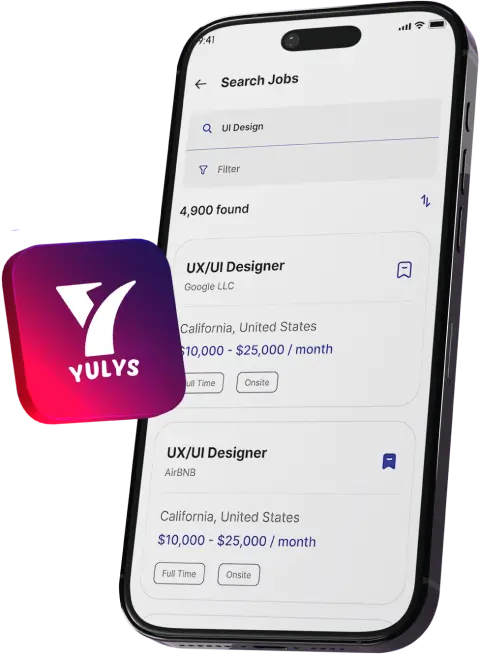
Get The Yulys App
Start your job search on-the-go and
never miss
a message or job alert.


The best candidates often aren't searching job boards. They're on their phones, and more employers are learning to reach them there.
A marketing coordinator takes a job because a short video from the company's careers account turned up on her feed one evening. She wasn't job hunting. She hadn't opened a job board in months. She just liked the team she saw, followed the account, and applied a few weeks later when a role went live. Stories like that are becoming ordinary, and they explain why so many employers are rethinking where recruiting actually happens.
Job boards still do the heavy lifting for active seekers, and they always will. But most of the workforce isn't actively looking on any given day. Reaching those people means showing up where they already are, which more and more is a social feed. Social recruiting is simply how employers turn idle scrolling into a pipeline of candidates who came to them first.
Younger candidates especially research an employer the way they research everything else: by looking it up on social media. They want to see the team, the culture, and the actual day-to-day, not a bulleted list of requirements. A company with an active, human presence has an edge before a single job is even posted. And because these platforms are built to spread content, one good post can travel well past your existing followers, often landing in front of exactly the passive candidates a job ad never reaches.
The trouble starts with how many accounts are in play. Most employers don't run a single account. They run several: the main brand, a dedicated careers profile, sometimes separate handles by region or business unit, spread across LinkedIn, Instagram, TikTok, Facebook, and X. One small team signs in and out of all of them, usually from the same office connection, all day long.
That pattern is a problem, because it's the exact thing the platforms watch for. Several accounts logging in from one connection can look automated, and profiles get throttled or locked with little warning, often right when a hiring push is at full tilt. A common workaround is to route each account through separate 4g mobile proxies, so every profile logs in from its own handset-grade IP instead of one machine running them all. It keeps a busy content team from being mistaken for a bot farm at the worst possible moment.
None of this requires a studio or a big budget. The employers who win at it tend to do a handful of simple things well.
Reach only counts if it converts. The teams who get this right keep a short, clear line from content to application: a role goes live, the careers account features it in a way that suits the platform, and the path from "that looks interesting" to "applied" takes seconds. It helps to track which channels actually send you hires rather than just likes, so your limited time goes where the real candidates come from.
The mistake most employers make is trying to be everywhere at once and burning out in a month. Pick the one platform where your candidates spend their time, commit to a realistic posting rhythm, and let real people in the business carry the voice. A modest presence kept up for a year will out-hire a flashy launch that fizzles by spring. The payoff shows up in the quietest way: a strong hire who mentions in the interview that they had been watching your team for months, and applied the day the job appeared.
Using social media to attract and engage candidates, both by sharing openings and by building an employer presence that draws people in over time. Its real strength is reaching passive candidates who aren't actively browsing job boards.
It depends on the roles. LinkedIn suits professional and technical positions, while Instagram and TikTok reach younger and creative talent well. The point is to be where your specific candidates already are, not to cover every platform at once.
Usually, yes. A dedicated careers profile lets you speak to candidates without cluttering the main brand feed, and it gives job seekers one clear place to follow. Larger employers sometimes layer on regional or business-unit accounts as well.
Keep each account's activity separated and avoid signing into many profiles from one connection, since platforms can read that as automation. Teams handling multiple accounts often give each its own mobile connection, so the platforms read them as separate logins rather than one flagged source.
©YulysLLC - 2026 All Rights Reserved | Terms of Service | Privacy Policy | Data Deletion | Yulys Ads Program