Get The Yulys App
Start your job search on-the-go and
never miss
a message or job alert.
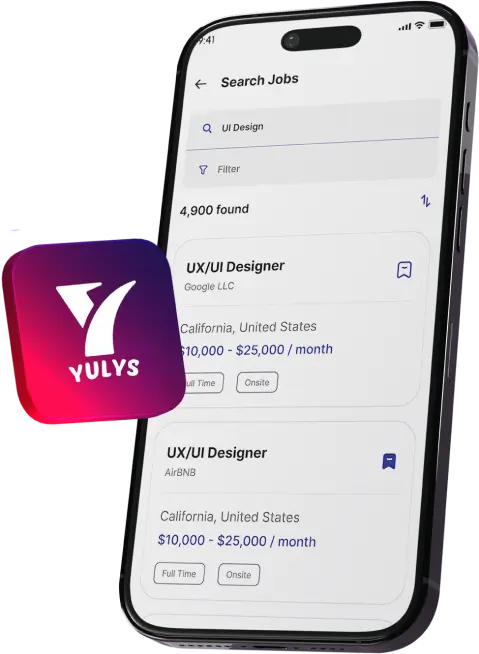
Get The Yulys App
Start your job search on-the-go and
never miss
a message or job alert.


Ask anyone about the best company retreat they attended and they rarely mention the keynote. They talk about the night the shuttle broke down and 6 people from different departments shared a pizza at a gas station, or the session where the CEO finally admitted the plan wasn't working. Those moments are hard to schedule, which is why so many retreats end up as expensive conference days in a nicer room.
The planning that matters happens long before anyone books a venue. It settles who pays for what, how much of the agenda stays empty, who sits next to whom, and what the team carries home afterward. Those calls decide whether the retreat keeps paying off months later or whether people mostly remember the 5 a.m. flight.
Skip any of these and you risk spending a quarter's team budget on 3 days people describe as fine.

The best company swag reminds people of something they shared. Company t-shirts with an illustration from the trip, hoodies with subtle embroidery, or mugs featuring an inside joke can carry that memory back into everyday work. Printful lets you create these items on demand, so you can match quantities to your team. Ask people about sizes and preferences beforehand, cover the cost, and choose a design they’ll want to use beyond the retreat.
Most of a retreat's goodwill fades within a month unless something carries it back into normal work. Set up an online company swag store, a print-on-demand company that makes and ships each item only after someone orders it, so colleagues who missed the trip can buy the gear without anyone storing boxes of stock. Send the store link with the photo recap on the first Monday back.
Within 2 weeks, publish what leadership decided in response to the group recommendations, including what it turned down and why. Silence here tells everyone the session was theatre.
People who join after the retreat should hear about it too. Add 1 slide on what the team decided there to your onboarding presentation, so the next hire understands why things work the way they do.
A retreat with 4 goals usually achieves none of them. Before you look at dates or venues, write down the single problem the trip exists to solve: a remote team that has never shared a room, 2 departments that keep blaming each other, or a new plan nobody believes in. Every later decision, from the location to the length of dinner, gets tested against that sentence.
For distributed teams, the problem is often loneliness more than alignment. Gallup's State of the Global Workplace 2024 report found that 25% of fully remote employees worldwide experienced loneliness a lot of the previous day, compared with 16% of those working fully on-site. If that sounds like your team, a packed workshop schedule fixes nothing, and the agenda should lean hard toward time together.

The expenses that sour a retreat rarely show up in the planner's spreadsheet. Emburse's State of Corporate Offsites report, based on a November 2024 survey of 2,000 US full-time employees who had attended an offsite in the previous 12 months, found 65% faced some level of personal financial impact from attending. Childcare, airport parking, meals between connecting flights, and a warmer jacket for the mountain venue add up quickly.
Paying these costs upfront buys far more goodwill than reimbursing them 6 weeks later. Someone still reworking a personal budget after a recent job change should not be floating hotel charges on a credit card for a trip the company required. Book flights and rooms centrally, pay a per diem before departure, and put in writing what is covered before anyone packs.
Hourly employees need a separate check. Their session hours count as paid work, and some of the travel can too, so have them clock in on time-tracking software like Homebase, a mobile time clock that tracks overtime automatically and syncs timesheets to payroll.
Most planners fill every hour because empty time looks like poor value to whoever approves the budget. That instinct recreates the office. Microsoft's 2025 Work Trend Index found that employees using Microsoft 365 are interrupted every 2 minutes during core working hours by a meeting, email, or notification, so most teams arrive already starved of unbroken time.
Block at least 2 long stretches with nothing scheduled, and resist labeling them as networking. People will walk, nap, or fall into a 2-hour conversation by the pool with someone from finance. That conversation is usually the one they bring up 6 months later.
Left alone, people spend a retreat with their own team, the same faces they message all day. Assign seats at meals, shuffle groups for activities, and pair people across departments for the first evening. It feels forced for about 20 minutes.
The payoff shows up in the work afterward. A Strategic Management Journal study by Madeline Kneeland and Adam Kleinbaum tracked more than 700 partners at a large US law firm and found that partners who attended the annual retreat received 24% more new requests to collaborate on client work in the 2 months afterward than partners who skipped it. The new ties formed more often across practice groups than inside them, which is exactly where silos harden.

A retreat built only on games feels like a perk, and perks are forgotten by the next quarterly review. Use 1 session of about 90 minutes to put a real problem on the table: a product line losing money, a client segment you might drop, a hiring freeze. Share the real numbers, including the ugly ones.
People remember being trusted with the hard version. Split the room into mixed groups, give each one a piece of the problem, and ask for a recommendation leadership must answer before the trip ends. If no one in leadership is willing to change anything based on what they hear, drop the session, because a staged consultation does more damage than none.

Settle the money conversation before anyone opens a venue website. If your finance lead won't cover travel costs upfront or protect 2 empty afternoons, the retreat will become a working week with worse Wi-Fi, and a 1-day local session would serve the team better. A modest trip that respects people's time and wallets earns more loyalty than a lavish one they quietly resent.
Retreats also expose the gaps nobody wanted to name, like the role 3 people have been covering between them. When that happens, Yulys lets you post the opening for free and uses AI matching to put it in front of candidates whose skills fit. Post the role before the retreat photos finish circulating.
©YulysLLC - 2026 All Rights Reserved | Terms of Service | Privacy Policy | Data Deletion | Yulys Ads Program