Get The Yulys App
Start your job search on-the-go and
never miss
a message or job alert.
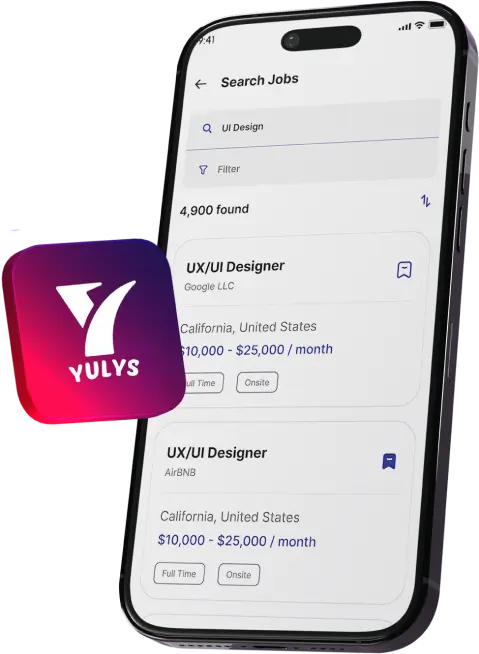
Get The Yulys App
Start your job search on-the-go and
never miss
a message or job alert.


Meet Elena. She’s made up, but her Monday isn’t. She owns a small roofing company, and every week fifty or so new leads land in her inbox from ads and her website. She calls the first ten, gets distracted by a job site emergency and never gets to the rest. By Thursday those leads have gone cold. Elena’s real problem isn’t a lack of leads. It’s a lack of calls. So she starts wondering whether she should hire an appointment setter.
If you’ve ever stared at a list of leads you didn’t have time to call, this guide is for you. We’ll follow Elena from “I need help” to her first booked estimate, and cover what to look for, where to find someone and how to avoid the usual mistakes.
Elena’s first question is simple. What is this person supposed to do?
An appointment setter calls, emails or texts leads and books meetings for someone else. That’s the whole job. They don’t close the sale, write the proposal or run the estimate. They find out whether the lead is a real fit and then put a time on your calendar.
People mix this up with other roles, so here’s the quick version. A sales development rep, or SDR, usually does outreach and qualifies leads, and often does more research and follow up. A closer takes the meeting and turns it into a sale. An appointment setter sits at the front, with one job: get the right people to show up.
For Elena, that’s perfect. She’s great at walking a roof and explaining a quote. She’s terrible at dialing strangers on a Tuesday afternoon.
Not every business does. Here’s a simple test. Do you have leads that sit untouched? Do you lose deals because nobody called back fast enough? Is the owner or a senior person doing calls that someone cheaper could do?
If you answered yes to any of those, an appointment setter probably pays for itself. If your leads are thin to begin with, fix that first. A setter can’t book meetings from a list that doesn’t exist.
Elena’s first instinct is to hire locally. She posts a job and gets a pile of applications from people with no phone experience and a lot of confidence.
Then a friend tells her about hiring remotely. It makes sense for this job, since calls happen over a headset and a CRM, not in an office. Hiring abroad also widens the pool and often lowers the cost. Rates depend heavily on the role and the region, so don’t trust any single number you see online, but many overseas candidates start around $6 to $10 an hour for general roles.
The big question is where. Phone work needs live hours that match your leads.
Latin America lines up with U.S. time zones. Colombia matches Eastern time and Mexico follows Central, so a setter there can call leads during your customers’ working day. That’s a big reason it’s popular for U.S. outreach.
The Philippines has deep experience with phone and customer support work. The catch is the clock. Manila is 12 to 13 hours ahead of U.S. Eastern time, so a setter there would work a night shift to reach U.S. leads.
South Africa suits businesses calling Europe and the UK, and it overlaps with U.S. mornings in a smaller window.
Elena’s leads are in Texas, so she leans toward Latin America.
You’ve got three routes. Freelance marketplaces give you a huge pool, but you do the sorting. Referrals and job boards work if you have time to screen. Or you can work with a recruiting partner. If you’d rather spend your week running jobs than reading resumes, a recruiting partner that hires remote sales talent can find candidates, screen them and send you a shortlist, while you make the final call.
“Appointment setter wanted” is a vague job. Elena rewrites hers.
She names the leads the person will call: homeowners who asked for a roof estimate in the last week. She states the goal: book qualified estimates on her calendar. She lists the hours she needs, the CRM and phone system they’ll use and who they report to. And she describes a good first month in plain words.
A clear post attracts people who want that job. A vague one attracts everyone else.
Resumes don’t tell you how someone sounds on the phone. So Elena tests three things.
First, a live conversation. She listens for clear English, a friendly voice and how the person handles a curveball question. Phone work is mostly talking and listening, so this part matters.
Second, a role play. She plays a skeptical homeowner. “I’m just looking, I’m not ready.” Does the candidate push too hard? Fold at the first no? Or ask one good question and move on politely? She wants the middle path. Pushy and timid both fail.
Third, a short paid test. She gives each finalist a list of ten old leads and a simple script and asks them to make real calls. Or if that’s too much, a recorded practice call, which she listens to twice, once for the words and once for the tone. She pays for it. Good candidates skip unpaid tests.
And she calls a past manager. The best question is also the simplest: what was this person like when a day went badly?
One more thing she watches for is the polite yes. In many workplaces around the world, “yes” can mean “I heard you” rather than “I understand and can do this.” So instead of “Does that make sense?” she asks, “Can you walk me through how you’d handle this call?”
New setters fail more from unclear scripts than from lack of talent. Elena writes a short script with four parts: a warm opening, a quick reason for the call, two or three qualifying questions and a clear ask to book a time.
She also writes down answers to the objections she hears all the time. “Can you just email me?” “I already have someone.” “What does this cost?” When a setter knows what to say, they sound confident. And confident sounds natural.
The script is a starting point, not a cage. She asks the setter to say it in their own voice and tell her what’s not working.
You don’t need a fancy stack. A CRM to track leads, a way to make calls, a shared calendar and a place to keep scripts. That’s enough to start.
Two cautions. First, rules for outbound calling and call recording vary by country and state, including do not call lists and consent to record, so check them before your setter dials anyone. Second, give each person their own login to every tool. No shared passwords.
Pay is where many small businesses get stuck. A flat hourly rate is simple and predictable. Some businesses add a small bonus for each qualified appointment that shows up, which rewards the outcome you actually want.
Be careful with bonuses, though. If you pay only for booked meetings, a setter may book anything, and your calendar fills with people who weren’t interested. Pay for appointments that show up and fit your criteria, not just ones that appear on a calendar.
You’ll also decide how to employ them. A contractor is flexible and simple, if the relationship really looks like contracting. A setter who works fixed hours only for you looks more like an employee, whatever the paperwork says. In that case, consider an employer of record, which acts as the legal employer and handles local payroll, benefits and compliance. Rules vary by country, so check with a qualified advisor. This article is general information, not legal advice.
The first week sets the pace. Before day one, Elena sets up the CRM, the phone system and the calendar. She gives her new setter the script, the list of objections and a short note on what a great roof estimate booking looks like.
On day one, she makes three calls with them listening. On day two, they make calls while she listens. By Friday they’re dialing on their own and she reviews a few recordings, where legal, and gives feedback. Answered the same question twice? It goes in the doc.
Elena watches four numbers: calls made, real conversations, appointments booked and appointments that show up. She doesn’t chase a magic benchmark. She compares each week to the one before, and she asks one question: are the meetings good?
If conversations are low, the list may be bad. If conversations are fine but bookings are low, the script needs work. If bookings are fine but nobody shows up, the setter may need to confirm appointments by text. Those numbers point to the fix.
A few patterns repeat. Hiring without a script is the big one. Another is paying only for volume, which gets you rushed, low quality calls. Skipping the paid test is a close third. And ignoring the time zone causes more trouble than people expect, since a setter who works while your leads sleep isn’t calling anyone.
If one hire doesn’t work out, look at the process before you blame the person or the region. Was the job clear? Was there a script? Was there real feedback?
Elena doesn’t need a call center. She needs one good appointment setter, a clear script and a way to check the results. Start there, learn what works and add more later.
Elena’s first booked estimate lands in week two. The homeowner mentions the setter by name, because she was clear and polite on the phone. That’s when Elena finally stops worrying about Thursday. Within a few weeks, those leads stop going cold. That’s the real prize. Not more leads, just fewer wasted ones.
©YulysLLC - 2026 All Rights Reserved | Terms of Service | Privacy Policy | Data Deletion | Yulys Ads Program